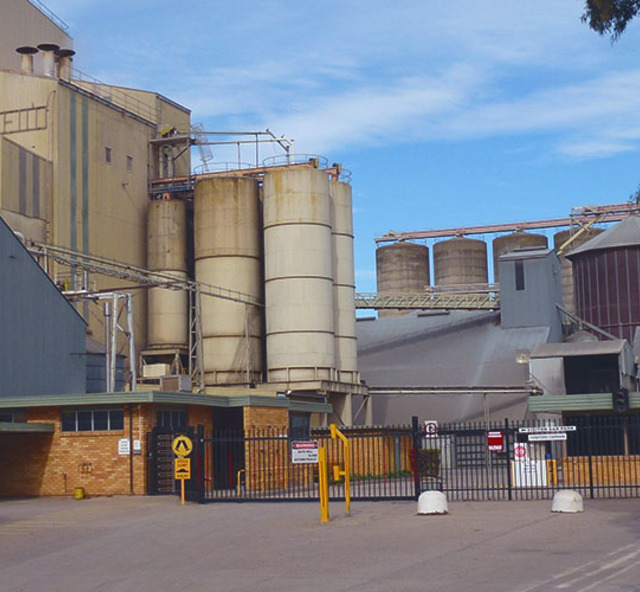
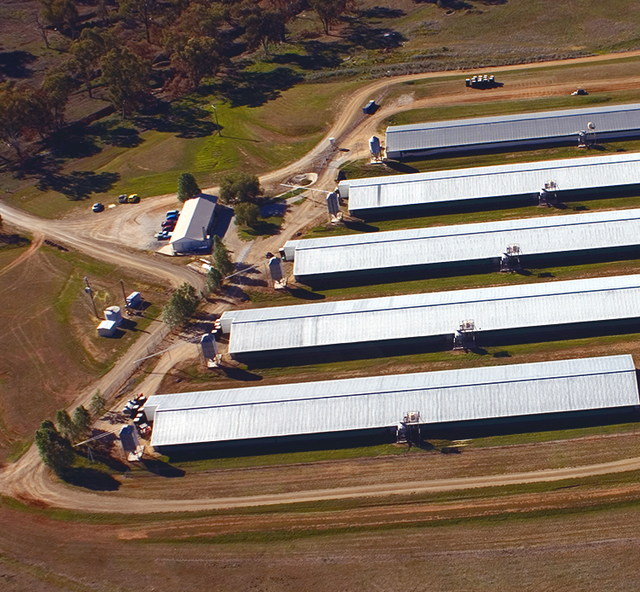
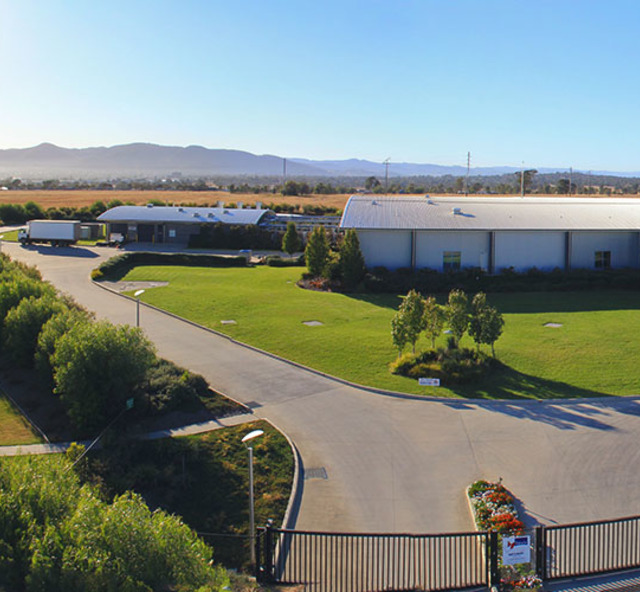
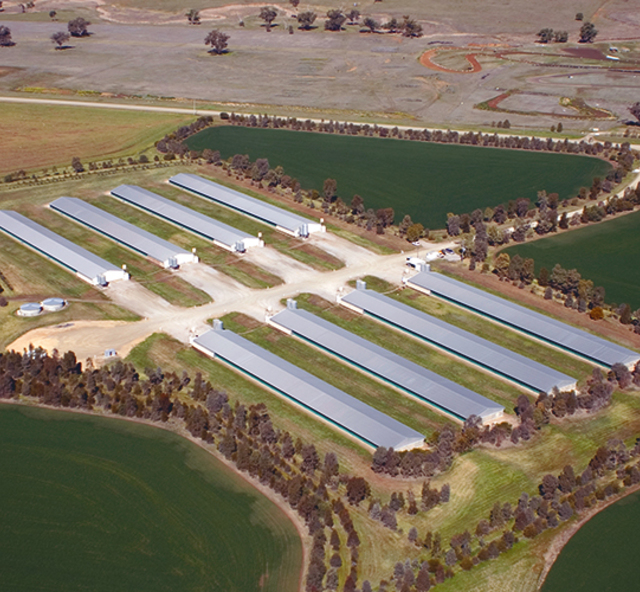
The principal farming areas for our Breeder Operations are at Tamworth and Gunnedah in Northern New South Wales, the Barossa region in South Australia, throughout Victoria and the Sydney region.
The key to success in rearing breeder chicks ("breeders") lies in a systematic and efficient management program, which commences with the breeder chicks being placed in a clean and sanitised poultry house.
During the life of a breeder critical management areas including feeding, temperature, bodyweight control, ventilation, lighting controls and health will greatly enhance the performance and overall welfare of the breeders.
The rearing period generally takes place from day old to 24 weeks of age in poultry houses equipped with facilities to brood birds. Various vaccinations are carried out to optimize the performance of the chickens and protection against disease.
The egg production phase generally takes place from around 25 weeks of age through to 64 weeks of age. Throughout this phase eggs are laid continually, collected either by hand or by automated collection systems and stored at temperatures of approximately 16-19° C (until transported to the hatchery).
Breeders roam freely in poultry houses - not in cages. A standard breeder house is approximately 1500m2 in area and will house 8,000 breeders, at a ratio of 7 or 8 females to one (1) male.
The bodyweight of a breeder hen is typically around 3.6 kilograms and will produce 150 eggs during its 64 week lifecycle.
At the end of their lifecycle, breeders are transported to processing plants and the meat obtained is used in a variety of chicken products.